|
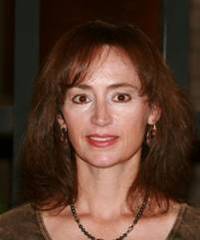
| Image courtesy Mary Okeke Reviews. |
This week, two very different authors answer my unscientific
survey of best sellers.
Gary Henry is author of the urban fantasy novel American Goddesses and a collection of
short stories, What Happened to Jory and
Other Dark Departures.
Mohanalakshmi Rajakumar is author of a number of literary
novels that explore such as Love Comes Later (excerpted
two weeks ago in Written Words), An
Unlikely Goddess, The Dohmestics and
Qatari Voices, among other works of fiction and non-fiction. Over to you!
Name three characteristics of books that you like. What makes you keep reading a book? What are some books that you weren't able to put down until you finished them?

Gary Henry: I like simplicity. It should
be easy to follow the narrative and stay on top of what's happening. That doesn't exclude plot twists
and turns. But I don't like having to backtrack to figure out what's going on.
I like character description so that I can get an idea of what the characters look like, in addition to what they say and do. I call that — what characters say, do and look like — the character triangle.
I like books written in active voice and with vivid verbs.
Mohana Rajakumar: I love books that give readers insight into culture they
wouldn't otherwise have; features strong women behaving in empowering ways; are
a mixture of history and imagination.
Responding to the voice of the author (if non-fiction) or the
characters who the story is about; of course not knowing what will happen next
is always a plus.
Right now The Language of Baklava by Diana Abu-Jaber
is my current favorite read. She remembers everything and there are recipes
included!
Do you consciously try to emulate these books? If so, what form does that take: plot, structure, characters, settings, author's voice and word choice?
Mohana Rajakumar: I am thinking about how to revise my own memoir to be more
compelling! Readers have loved it but some have found the essays disjointed.
Diana's takes a chronological approach so I'd have to go back and create a lot
of content if I hoped to adopt her style completely.
Gary Henry: I do. It's these kinds of books that inspired me as
a kid to want to write books like them. Specifically, books by Robert E. Howard
(Conan), George MacDonald Fraser (Flashman) and Len Deighton (too many to
name). Biggest influence on me has been their handling of characters and word
choice — active voice and vivid verbs.
Do you try to avoid any of the techniques or conventions followed by your favourite writers?
Gary Henry: No. I just try to avoid
overtly copying. I have turned to favourite writers during my own writing at
times to see how they, Fraser for instance, might have described a woman's
face, and try to follow his technique, but draw the line at lifting copy.
Mohana Rajakumar:
Not yet but that doesn't mean it couldn't happen in the
future.
What rules of writing do you intentionally break?
Mohana Rajakumar: Staying in one point of view the entire story; sometimes if you have an interesting cast of characters, it's better to hop around and give readers a 360 experience.
Gary Henry: I've broken the rule about introducing important characters
late, but that's not something I'll make into a habit. Rules are good,
especially when we're getting started as writers. Always remember, though, it's
your story, and if you don't please yourself with it, it'll be hard to please
anyone else. Take that rule with a generous bit of salt, too.
Gary
Henry is a writer,
runner and dog dad, who lives in Lawrence, Kansas with wife Karen and canine
kids Lambchop and Sophie Jones. He is managing editor at Durability + Design
Magazine, a glossy print monthly covering architectural design, technology and
construction. He is the author of AMERICAN GODDESSES, a sexy super-powered
paranormal fantasy thriller for e-book readers, available on at Amazon.com
Visit his blogs, Honest Indie
Book Reviews, and his new Indie Universe. Follow him on Twitter
@LiteraryGary. And visit his Author page on Independent
Authors International.
 Mohanalakshmi Rajakumar is a
South Asian American who has lived in Qatar since 2005. She has since published
seven e-books including a mom-ior for first time mothers, Mommy But Still Me, a guide for aspiring writers, So You Want to Sell a Million Copies, a
short story collection, Coloured and
Other Stories, and a novel about women’s friendships, Saving Peace.
Mohanalakshmi Rajakumar is a
South Asian American who has lived in Qatar since 2005. She has since published
seven e-books including a mom-ior for first time mothers, Mommy But Still Me, a guide for aspiring writers, So You Want to Sell a Million Copies, a
short story collection, Coloured and
Other Stories, and a novel about women’s friendships, Saving Peace.
From Dunes to Dior, named
as a Best Indie book in 2013, is a collection of essays related to her
experiences as a female South Asian American living in the Arabian Gulf. Love
Comes Later, a literary romance
set in Qatar and London, won the Best Indie Book Award for Romance in 2013. The
Dohmestics is an inside look into
compound life, the day to day dynamics between housemaids and their employers.
Visit Mohana’s website
or follow her latest on Twitter
@moha_doha, on Facebook, Youtube or Pinterest.
You can visit Mohana’s Author Page on Amazon. Also,
visit her Author page on Best
Selling Reads.